Learners explore how sequences of images create movement, plan simple actions, and compare two beginner animation techniques.
Prepare the materials
- Paper and pencil
- Small paper stack or sticky notes
- Binder clip (optional)
- Phone camera operated by an adult for final session
There is no rush to finish in one week. Repeat an activity when a learner wants more practice. Adults handle tools and devices that need supervision.
Four guided sessions
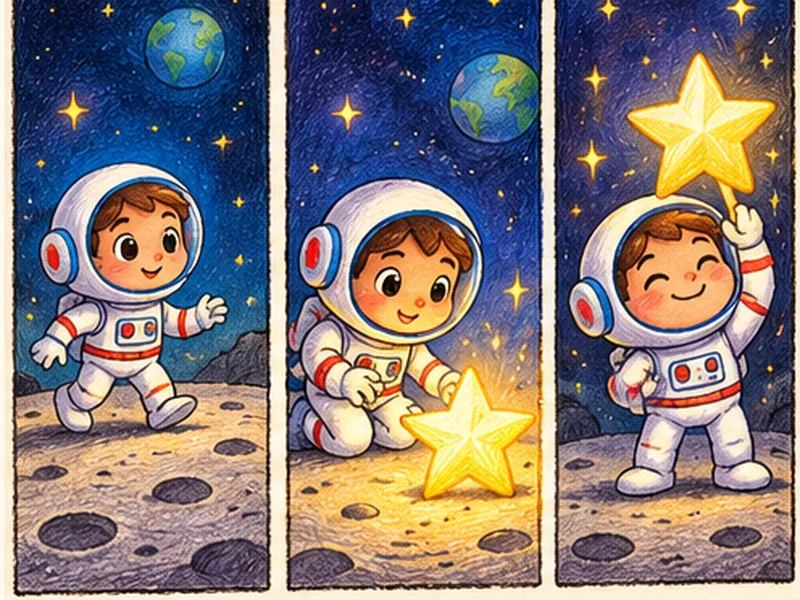
Plan the story first
Learning goal: Draw three frames showing what happens first, next and last.
For parents: Ask the learner to act out the action before drawing.
For teachers: Use three blank frames and discuss why a sequence needs a clear change.
Ask afterwards: What happens between the first and final pictures?
Open the illustrated lesson →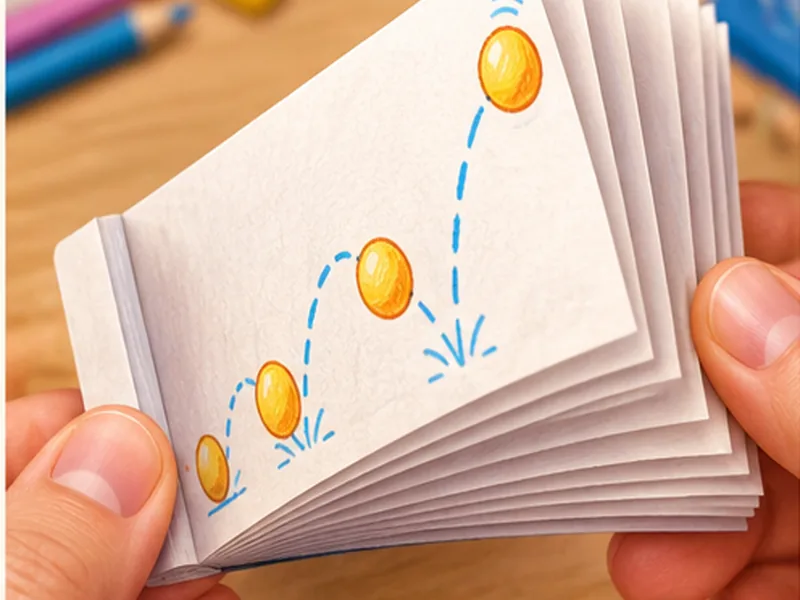
Try a paper flipbook
Learning goal: Move a ball a small distance in each drawing to create a bounce.
For parents: Help stack and align pages; invite the child to adjust the timing.
For teachers: Show how changing the spacing between ball positions changes perceived speed.
Ask afterwards: When did the ball look fastest?
Open the illustrated lesson →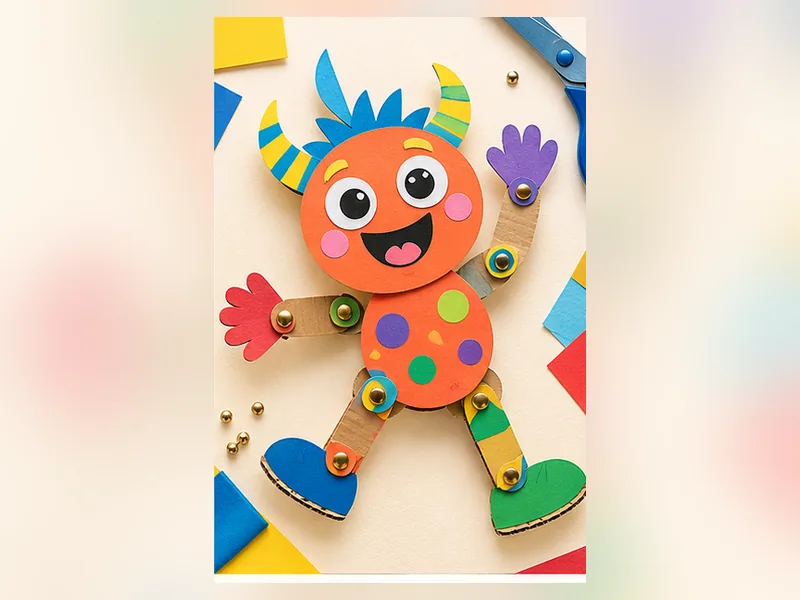
Design a moveable character
Learning goal: Make a simple character with parts that can change position.
For parents: Handle cutting and small fasteners where needed.
For teachers: Demonstrate safe paper fasteners; supervise small parts.
Ask afterwards: Which parts of your character can move?
Open the illustrated lesson →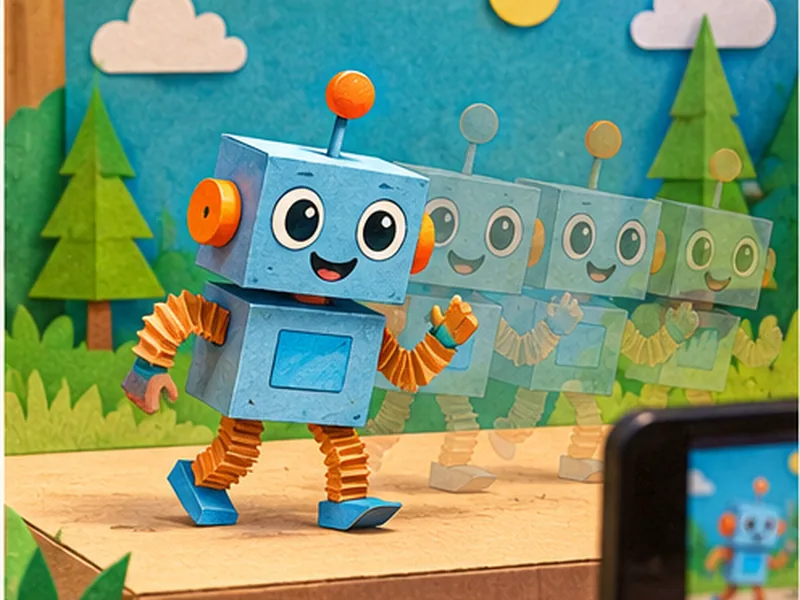
Make a short stop-motion test
Learning goal: Photograph small changes and view the images as a sequence.
For parents: Operate the camera and use an age-appropriate app; film only the paper pieces.
For teachers: Use a stable shared device, keep children’s identities out of footage, and obtain required permissions.
Ask afterwards: What changed when the character moved a smaller distance?
Open the illustrated lesson →Reflect and keep creating
Save finished artwork in a folder, date each page if you wish, and ask what the learner enjoyed making. Avoid ranking one child’s results against another’s.